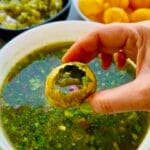
Kadhi Chawal Recipe: The Comfort Food Everyone’s Craving Right Now
There’s a certain kind of hunger that only kadhi chawal can fix. Not the “I need to eat something” kind — the deeper one, the one that shows up on a grey afternoon when you’re missing home, or when the weather turns just cool enough to want something warm, tangy, and familiar in a bowl.
If you’ve been craving kadhi chawal lately, you’re definitely not alone — it’s peak kadhi season, and this dish has a way of showing up on everyone’s mind at the exact same time every year. This is the recipe I grew up with, tweaked over the years but still rooted in the same base my family has always used. Sour curd, a well-tempered tadka, and pakodas that soak up just enough of the kadhi to turn soft without falling apart.
If you’ve never made kadhi chawal from scratch before, don’t worry — it looks intimidating on paper (curd + besan without curdling? tempering twice? cooking it for an hour?) but it’s genuinely a forgiving dish once you get the basic order of steps right. I’ll walk you through exactly how I make it, including the small details that actually matter.
What Is Kadhi Chawal Recipe All About?
Kadhi chawal is a North Indian comfort dish made of a tangy, spiced yogurt-and-gram-flour (besan) curry — the “kadhi” — served over steamed rice, or “chawal.” Most households add pakodas (crispy besan fritters) directly into the kadhi, which slowly soften as they simmer and soak up all that tangy, spiced flavor. It’s humble, budget-friendly, and one of those recipes almost every Indian family has their own version of.
Why This Kadhi Recipe Works
A few things make this version special, and they’re small tweaks that make a real difference:
- Slightly sour curd — this is non-negotiable if you want that authentic tang. Fresh curd gives you a flatter, blander kadhi.
- Double tempering technique — the tadka goes in before the curd mixture is added, building layers of flavor from the base up.
- Pakodas added near the end — not at the start. This keeps them soft on the outside while still holding their bite, instead of turning into mush.
Ingredients for This Kadhi Chawal Recipe
For the Kadhi Base
- Curd (dahi) – 2 cups, slightly sour
- Turmeric powder – ½ tsp
- Red chilli powder – 1 tsp
- Coarse coriander powder – 1 tbsp
- Salt – to taste
- Besan (gram flour) – 6–7 tbsp
- Ajwain (carrom seeds) – ¼ tsp
Whisk everything together in a bowl until completely smooth — no lumps — and set it aside.
For the Tadka (Tempering)
- Oil – 2 tbsp
- Hing (asafoetida) – ¼ tsp
- Whole dried red chilli – 2
- Methi seeds (fenugreek) – ¼ tsp
- Mustard seeds – ½ tsp
- Cumin seeds (jeera) – ½ tsp
- Curry leaves – 5–6 sprigs
- Ginger garlic paste – 1 tbsp
- Salt – to taste
For the Pakodas
- Onion – 1 large, finely chopped
- Coriander leaves – a handful, chopped
- Ginger paste – ½ tsp
- Besan – 2–3 tbsp
- Baking soda – a pinch
- Salt – to taste
- Red chilli powder – ½ tsp
- Dhaniya (coriander) powder – ½ tsp
- Ajwain – ½ tsp
- Garam masala – ¼ tsp
- Oil, for frying
How to Make This Kadhi Chawal Recipe (Step-by-Step)
Step 1 — Prepare the curd mixture. In a mixing bowl, whisk the curd until smooth, then add turmeric, red chilli powder, coriander powder, salt, besan, and ajwain. Keep whisking until there are absolutely no lumps left — this step decides your kadhi’s final texture, so don’t rush it. Set aside.
Step 2 — Build the tadka. Heat oil in a heavy-bottomed pot on medium heat. Add hing, whole red chillies, mustard seeds, methi seeds, and cumin seeds. Let the cumin crackle and the mustard seeds pop.
Step 3 — Add the aromatics. Toss in the curry leaves and ginger garlic paste. Sauté until the raw smell of garlic completely disappears — this usually takes a minute or two.
Step 4 — Simmer the kadhi. Pour in the curd mixture along with an equal quantity of water. Stir well to combine, then lower the heat and let it simmer gently for about an hour, stirring occasionally so it doesn’t stick to the bottom. This slow simmer is what gives kadhi its signature silky texture and deep flavor — don’t rush this part.
Step 5 — Make the pakodas. While the kadhi simmers, mix chopped onion, coriander leaves, ginger paste, besan, baking soda, salt, and all the spices in a bowl. Add a little water at a time until you get a thick, scoopable batter. Heat oil in a separate pan and fry small portions of the batter until deep golden brown.
Step 6 — Bring it together. In the final 4–10 minutes of the kadhi’s simmer time, drop the fried pakodas directly into the pot. This lets them soak up the tangy flavor while still holding their texture.
Step 7 — Garnish and serve. Finish with a drizzle of ghee, a sprinkle of red chilli, and fresh coriander on top. Serve hot, generously spooned over steamed rice.

Tips for the Best Kadhi Chawal
- Curd matters more than you think. Slightly sour, room-temperature curd gives you the right tang. Very fresh curd = flat flavor.
- Whisk out every lump before cooking. Once it hits the heat, lumps won’t smooth out — get this right at the mixing stage.
- Low and slow, always. Kadhi thickens and develops flavor through slow simmering, not high heat.
- Time your pakodas right. Add them too early and they turn mushy; too late and they stay hard in the middle.
- Leftover kadhi tastes even better the next day once the flavors have had time to sit.
- ..that’s the secret to nailing this kadhi chawal recipe every time.
Frequently Asked Questions
Can I make this kadhi chawal recipe without pakodas? Yes — plain kadhi (without pakodas) is just as common and equally delicious. Simply skip the pakoda step and serve the kadhi as is over rice.
Why did my kadhi curdle? Curdling usually happens when the curd mixture is added to very high heat too quickly, or when it isn’t whisked smooth enough beforehand. Always add it on low-medium heat and stir gently as it comes together.
Can I use store-bought pakodas instead of making them fresh? You can, but freshly fried pakodas hold their texture much better once added to the kadhi and taste noticeably better.
How long does kadhi chawal last in the fridge? Kadhi (without pakodas) keeps well in the fridge for 2–3 days. Add pakodas fresh each time you reheat, since they lose their texture in the fridge.
What can I serve with kadhi chawal? Steamed basmati rice is classic, but kadhi also pairs well with jeera rice or even plain roti on the side.
Final Thoughts
Kadhi chawal isn’t a fancy dish — it’s not trying to be. It’s the kind of recipe that earns its place at the table through comfort, familiarity, and a little bit of patience. If you try this recipe, I’d genuinely love to hear how it turned out — drop a comment below and let me know your own kadhi chawal memories, or the one secret ingredient your family swears by.
Craving more comfort food recipes like this? [Explore more recipes here] dinner-recipes

A tangy, comforting curd-based curry with crispy pakodas, served over hot steamed rice — a family recipe passed down through generations.
Ingredients
For the Kadhi
- Curd/Dahi (slightly sour) – 2 cups
- Turmeric – 1/2 tsp
- Red chilli powder – 1 tsp
- Coarse coriander powder – 1 tbsp
- Salt – 1 tsp (or to taste)
- Besan (gram flour) – 6 tbsp
- Ajwain (carrom seeds) – 1/4 tsp
For the Tadka
- Oil – 2 tbsp
- Hing (asafoetida) – 1/4 tsp
- Whole red chillies – 2
- Methi seeds (fenugreek) – 1/4 tsp
- Mustard seeds – 1/2 tsp
- Cumin/jeera seeds – 1/2 tsp
- Curry leaves – 5-6 sprigs
- Ginger garlic paste – 1 tbsp
For the Pakodas
- Onion – 1 large, finely chopped
- Coriander leaves – handful, chopped
- Ginger paste – 1/2 tsp
- Besan – 2-3 tbsp
- Baking soda – 1 pinch
- Salt – to taste
- Red chilli powder – 1/2 tsp
- Dhaniya (coriander) powder – 1/2 tsp
- Ajwain – 1/2 tsp
- Garam masala – 1/4 tsp
- Oil – for frying
Directions
Mix the kadhi base — Whisk curd, turmeric, red chilli powder, coriander powder, salt, besan, and ajwain until smooth with no lumps. Set aside.
Make the pakoda batter — Combine onion, coriander leaves, ginger paste, besan, baking soda, salt, and spices. Add a little water to form a thick batter.
Fry the pakodas — Heat oil on medium-high; fry small portions until deep golden brown. Set aside.
Start the tadka — Heat oil, add hing, whole red chillies, mustard seeds, methi seeds, and cumin. Let cumin crackle.
Add aromatics — Add curry leaves and ginger garlic paste; cook until raw garlic smell disappears.
Simmer the kadhi — Add curd mixture with equal water; simmer on low heat for about 1 hour, stirring occasionally.
Add pakodas — In the last 4-10 minutes, add fried pakodas into the kadhi. Garnish with red chilli and ghee.
Serve — Hot, over steamed rice.
Notes:
- Use slightly sour curd for authentic tang. Simmer low and slow. Add pakodas close to serving time so they stay soft but don't turn mushy.